
New Orleans, Louisiana is a city steeped in history and culture. From its iconic architecture to its legendary jazz scene, the city is a symbol of American heritage. But beneath the surface lies a darker side of the city’s past: abandoned neighborhoods and buildings that hint at a troubled past.
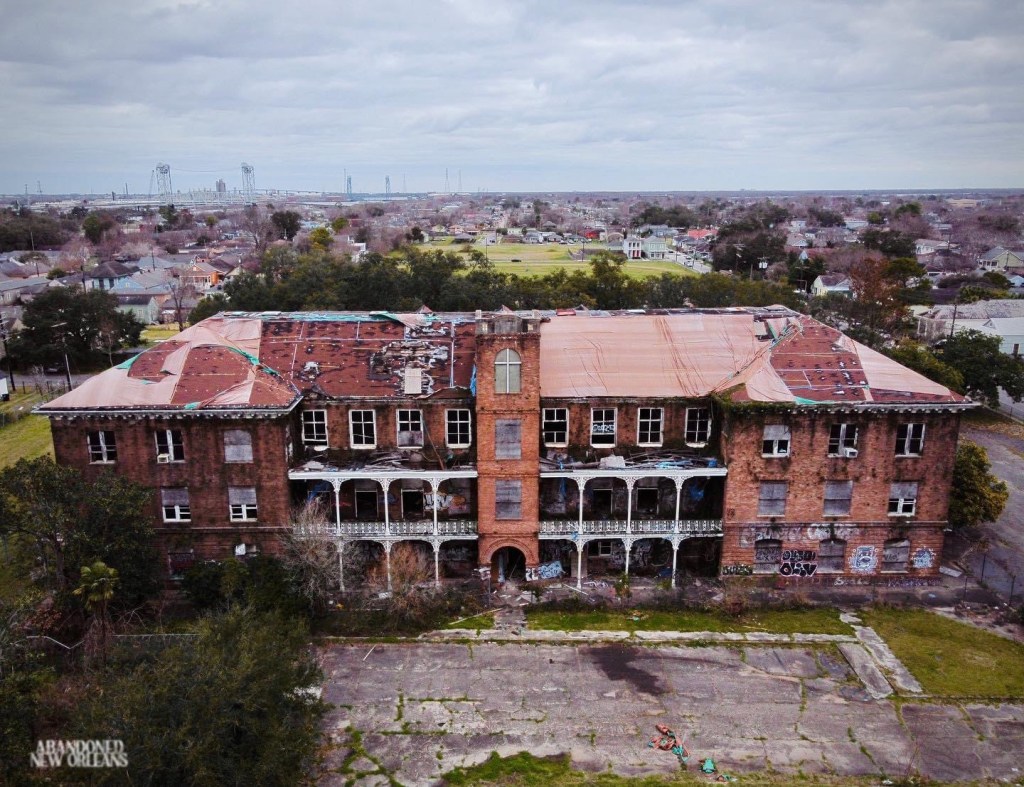
In the wake of Hurricane Katrina, much of New Orleans was devastated. Thousands of homes and businesses were destroyed, and the city’s population dropped dramatically. Today, nearly 15 years later, the effects of the storm are still visible in the form of abandoned buildings and neighborhoods.
One of the most striking examples of abandoned New Orleans is the Lower Ninth Ward. This neighborhood, which was one of the hardest hit by the storm, has struggled to recover in the years since Katrina. Today, the neighborhood is still sparsely populated, with many homes and businesses remaining abandoned or in disrepair.
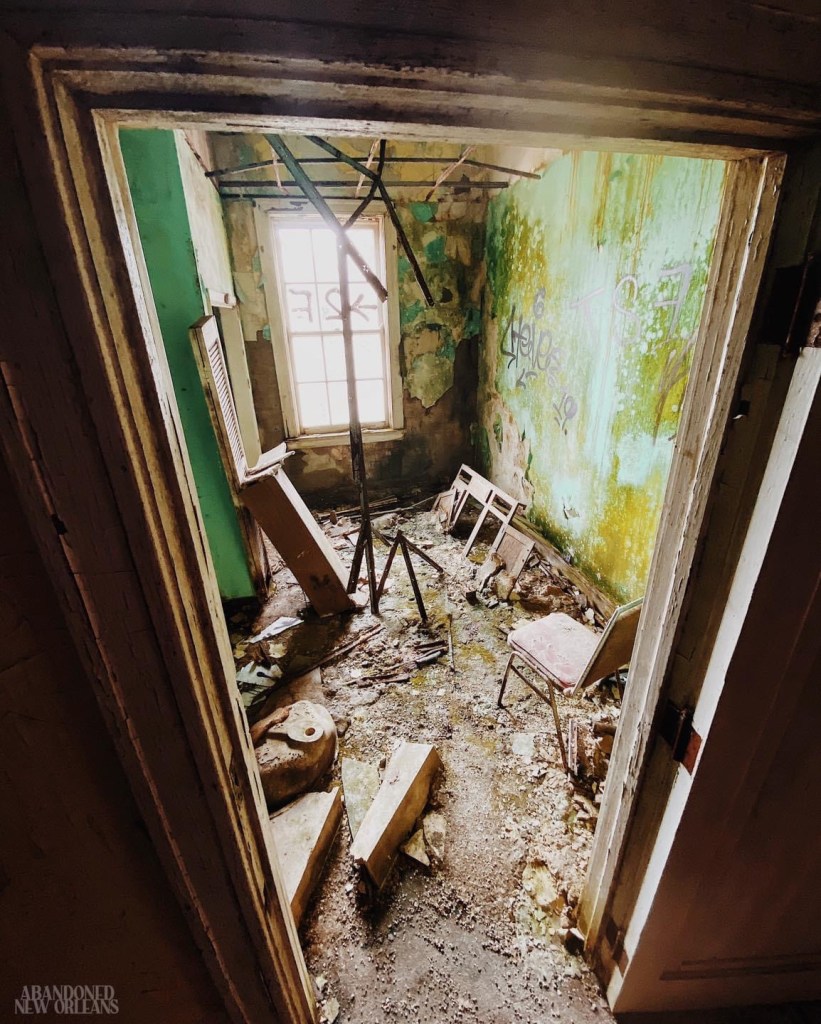
Driving through the Lower Ninth Ward, one is struck by the sheer number of abandoned homes. Many are still marked with the spray-painted X’s that rescue workers used to identify the date they were checked for survivors. The empty shells of former homes are a stark reminder of the human toll of the storm.
But it’s not just the Lower Ninth Ward that bears the scars of Katrina. Throughout the city, abandoned buildings and lots are a common sight. In some neighborhoods, entire blocks remain abandoned, with weeds and debris filling the empty lots. These neighborhoods stand in stark contrast to the vibrant streets and bustling tourist districts that New Orleans is known for.

The reasons for these abandoned buildings are varied. In some cases, property owners simply couldn’t afford to repair the damage caused by the storm. In other cases, businesses that were once thriving were forced to close when their customer base disappeared. And in some cases, the city itself has struggled to find the resources to address the problem.
But despite these challenges, there are signs of hope for New Orleans. In recent years, the city has seen a resurgence in development and population growth. Many of the abandoned buildings that once blighted the city are now being repurposed and rehabilitated, with new businesses and residents breathing new life into once-neglected neighborhoods.
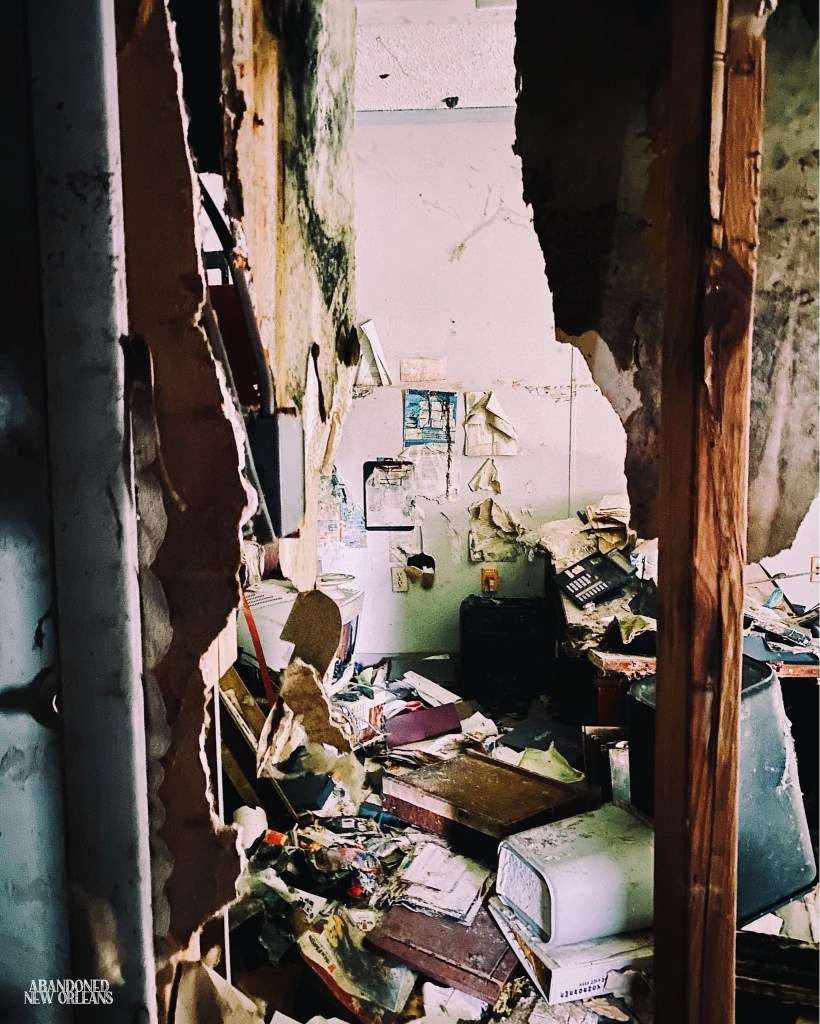
Of course, the scars of Katrina will never fully fade from the city. But as New Orleans continues to rebuild and reinvent itself, the abandoned buildings that once stood as symbols of tragedy may one day be seen as testaments to the city’s resilience and perseverance.
 abandoned new orleans